Limit Swich Box
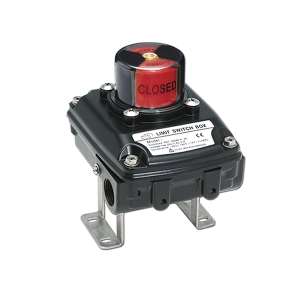
Limit Switch Boxes designed for automation and control systems to provide position feedback, safety interlocking, and reliable electrical signaling for valves, actuators, and machinery.
Overview
A Limit Switch is an electromechanical device consisting of an actuator mechanically linked to a set of electrical contacts. When a moving object or component comes into contact with the actuator, the switch operates the contacts to make or break an electrical connection.
Operating Principle (As Provided)
The limit switch responds to physical contact or position change. Once actuated, it regulates the electrical circuit that controls a machine or system, enabling precise control of motion and operational states.
Control & Automation Function (As Provided)
Limit switches are commonly used as pilot devices in magnetic starter control circuits. They can be configured to start, stop, slow down, or accelerate the operation of electric motors and other driven equipment.
Mechanical Limit Switches (As Provided)
Mechanical limit switches are used to determine the physical position of equipment. Many designs utilize a push-button mechanism, where contact with a moving part—such as a valve stem or extension—depresses the switch to complete or interrupt the electrical circuit.
Valve Position Indication (As Provided)
In valve automation systems, the limit switch provides a visual and electrical indication of whether a valve is in the open or closed position. The positioner controls the valve opening angle, typically between 0 and 90 degrees, while the actuator performs the physical opening and closing action.
Safety Function (As Provided)
Limit switches are also used as safety control devices. For example, in furnace systems, a limit switch is located near the plenum and shuts off the burner if excessive temperature is detected, protecting equipment and ensuring safe operation.
Applications (As Provided)
- Valve position monitoring (open / closed indication)
- Automation and control panels
- Electric motor control circuits
- Industrial machinery and equipment positioning
- Safety interlocks and protection systems
Operational Benefits (As Provided)
- Accurate position feedback and status indication
- Reliable electrical switching based on mechanical position
- Improved safety and equipment protection
- Seamless integration with actuators, positioners, and control systems
- Enhanced automation and operational reliability
Interested in Limit Swich Box?
Send us your specifications, quantities, or technical questions — our team will respond within 24 hours with pricing, lead time, and engineering details.
- ✓ 24h response
- ✓ 600+ product network
- ✓ No obligation